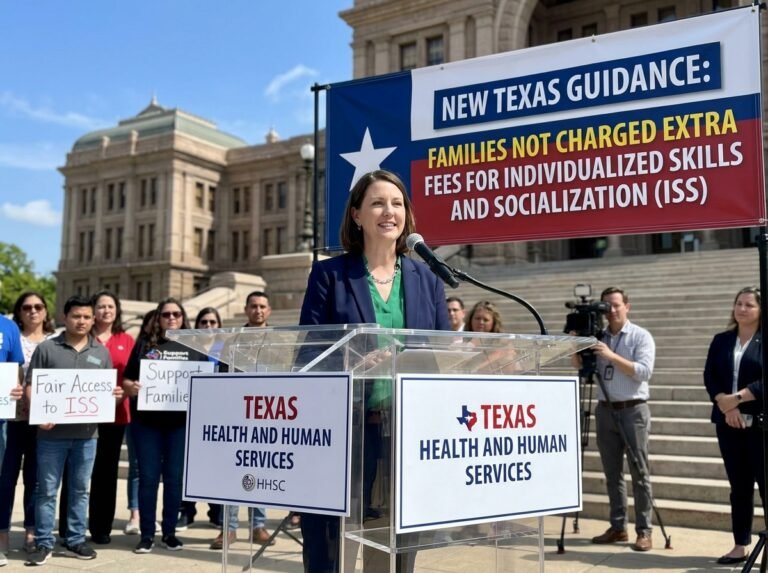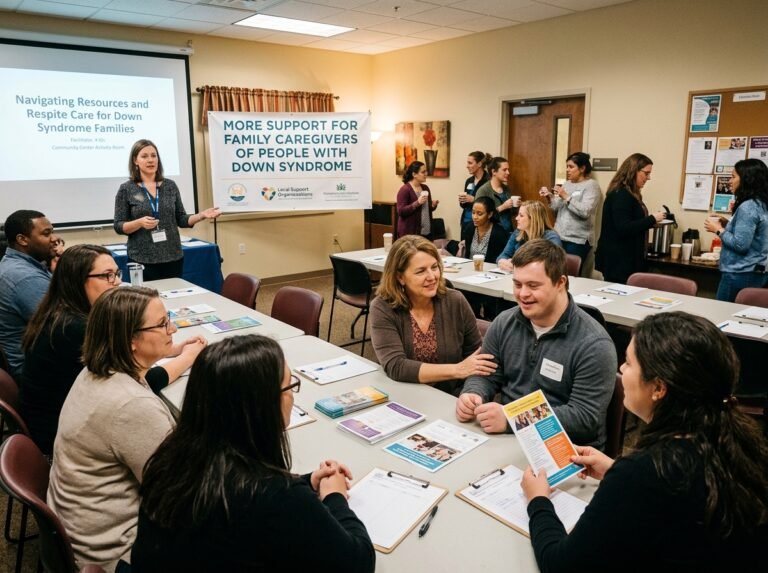

Texas has updated guidance involving two important programs for people with intellectual and developmental disabilities: HCS and TxHmL.
The updates took effect September 1, 2026.
If your loved one currently receives HCS or TxHmL services, or your family is trying to understand these programs, you may be wondering:
“Does this mean the rules have completely changed?”
Not exactly.
Texas Health and Human Services Commission (HHSC) says the September update clarifies functional eligibility requirements and provider responsibilities for HCS and TxHmL.
Here is what families should understand.
First, What Are HCS and TxHmL?
HCS stands for Home and Community-based Services.
TxHmL stands for Texas Home Living.
Both are Texas Medicaid waiver programs that provide services and supports to eligible people with intellectual disabilities or related conditions.
The programs are different, and each has its own requirements.
What Changed in September?
HHSC regularly updates its Medicaid policy handbooks.
As part of its September 2026 quarterly revision, HHSC revised the sections covering both HCS and TxHmL.
According to HHSC, the revisions clarify two areas:
Functional requirements for eligibility
and
Provider responsibilities.
This does not mean every person receiving HCS or TxHmL suddenly needs to reapply.
It means families should understand that receiving these services depends on meeting specific program requirements.
What Does “Functional Eligibility” Mean?
The term sounds complicated, but the basic idea is easier to understand.
A program does not look only at the name of a person’s disability.
It also looks at whether the person meets the program’s required level of care and other eligibility requirements.
For HCS, for example, current HHSC guidance says the waiver eligibility component includes an applicable ICF/IID level of care, an approved plan of care and a service begin date that meets program requirements.
The person must also live in the community when HCS waiver services begin.
Why Does This Matter to Families?
Imagine two people who have the same diagnosis.
One may need help with many activities throughout the day.
The other may be much more independent and need support in only a few areas.
A diagnosis alone does not tell the complete story of what a person can do or what support the person needs.
That is one reason assessments and documentation are important.
What Should Families Do Now?
For most families, the most important action is simply to stay informed and keep good records.
Know which program your loved one receives.
Keep important eligibility and service documents together.
Pay attention to notices from HHSC, your LIDDA, service coordinator or program provider.
Participate in assessments and service-planning meetings.
Most importantly, speak up when information about your loved one’s abilities or needs is incomplete or incorrect.
The people completing an assessment need an accurate picture of the person’s everyday life.
Should Families Be Worried About Losing Services?
An HHSC handbook update by itself does not mean that everyone receiving HCS or TxHmL is losing services.
The September revision says HHSC clarified functional eligibility requirements and provider responsibilities.
If your family receives an official notice about an individual’s eligibility or services, read that specific notice carefully. The person’s individual circumstances matter.
If something in the notice is unclear, ask the appropriate service coordinator or program representative to explain what it means and what steps, if any, are required.
One More Thing Families Should Remember: Medicaid Eligibility Matters
People enrolled in HCS or TxHmL must continue to meet applicable Medicaid financial eligibility requirements.
Families should pay attention to Medicaid renewal notices and requests for information.
If your loved one’s Medicaid coverage ends unexpectedly, address the issue promptly.
Keeping contact information current and responding to official requests can help prevent avoidable problems.
The Bottom Line
The September 2026 update does not mean families need to become Medicaid experts.
The most important things are much simpler:
Know your loved one’s program.
Understand their current needs and services.
Keep important paperwork.
Participate in assessments and planning.
Read official notices carefully.
Ask questions when something does not make sense.
Families are an important part of the planning process, and understanding the basics can make it easier to advocate for the support a loved one needs.
At NUDO Homes, our goal is to make complicated IDD service information easier for individuals and families to understand.
Visit our News & Updates section for more information about developments affecting Texas families and our Understanding IDD Services section for simple explanations of programs such as HCS, TxHmL and Community First Choice.
Source: Texas Health and Human Services Commission, Medicaid for the Elderly and People with Disabilities Handbook, Revision 26-3.
Last reviewed: September 2026
This article provides general educational information. It does not determine Medicaid, HCS or TxHmL eligibility. Program requirements and policies may change. Families should use official HHSC information and contact the appropriate program representative regarding individual eligibility or services.
HHSC’s official revision notice confirms that Revision 26-3 became effective September 1, 2026, and specifically identifies the HCS and TxHmL sections as being revised to clarify functional eligibility requirements and provider responsibilities. (Texas Health and Human Services) Current HCS guidance also confirms the level-of-care, approved-plan and community-living requirements described in the article. (Texas Health and Human Services)